

THE MEMORY OF MATTER
Before becoming a shoe, every material has traveled a path. Soil, water, energy, hands. That path exists even if we don't see it, and every purchase supports it.
At Vesica Piscis, we choose materials whose story we can tell without omitting anything. Before a raw material enters our workshop, we analyze its before, its during, and its after: where it comes from, what it has consumed, and what it will leave behind when it is gone.
But choosing well has no value if the reason why is not understood. For this reason, we want to share what we know with you, with enough transparency so you can draw your own conclusions.
Sustainability Indicators for Fabrics | Long-Term Impact Ranking
WHAT A MATERIAL SUSTAINS OVER TIME
We prioritize the natural, but we listen to what endures.
This ranking does not reward what a material promises at the start, but the footprint it leaves throughout its entire life and its ability to close the loop
| # | Material | CO₂ | Water | Durability | Circularity | Pros | Cons |
|---|---|---|---|---|---|---|---|
| 1 | Hemp Plant |
|
|
||||
| 2 | Recycled Linen Plant |
|
|
||||
| 3 | Raw Recycled Cotton Plant |
|
|
||||
| 4 | Organic Cotton Plant |
|
|
||||
| 5 | Recycled Cotton Colour Plant + Synthetic |
|
|
||||
| 6 | Recycled Polyester Synthetic |
|
|
||||
| 7 | Vegan Leather Plant + Synthetic |
|
|
Circularity assessed based on Vesica Piscis’ internal recycling capability (downcycling into Strobel insoles). Sources: Textile Exchange · HIGG Materials Sustainability Index · Made-By Environmental Benchmark for Fibres · Lignify.com

ANCESTRAL VERSATILITY
HEMP
Hemp tops our honesty ranking because it represents nature's perfect efficiency. It is a crop of amazing vitality: its rapid growth and minimal water consumption allow it to thrive without depleting the planet's reserves, regenerating soil health and capturing tons of CO₂ without the need for pesticides or herbicides.
That natural resilience translates into the structure of our footwear. Thanks to its hollow fiber, hemp acts as a natural thermal insulator, helping to protect against heat in summer and cold in winter. It is a plant barrier that blocks UV rays and possesses the plant's own antibacterial qualities.
Far from deteriorating with wear, it is a noble material that offers exceptional durability and gains character over time, progressively softening to accompany you for years. It is the perfect union between exterior resistance and respect for its origin.

TIMELESS NOBILITY
RECYCLED LINEN
Linen is a fiber with memory. Used by humanity for millennia, it represents the perfect union between resistance and dignity. It occupies our second place because we recover that legacy in the most respectful way possible: rescuing production surplus (pre-consumer recycled linen) to avoid cultivating new raw material.
This decision turns a historic fiber into an example for the future, achieving a practically zero water footprint by eliminating agricultural irrigation from the process.
In footwear, linen displays its unique character: a rustic and lively texture that provides natural distinction. It maintains its legendary thermoregulating capacity intact, offering an unmatched sensation of freshness and a tenacity capable of resisting the passage of time without losing its essence.

PURE REBIRTH
RECYCLED RAW COTTON
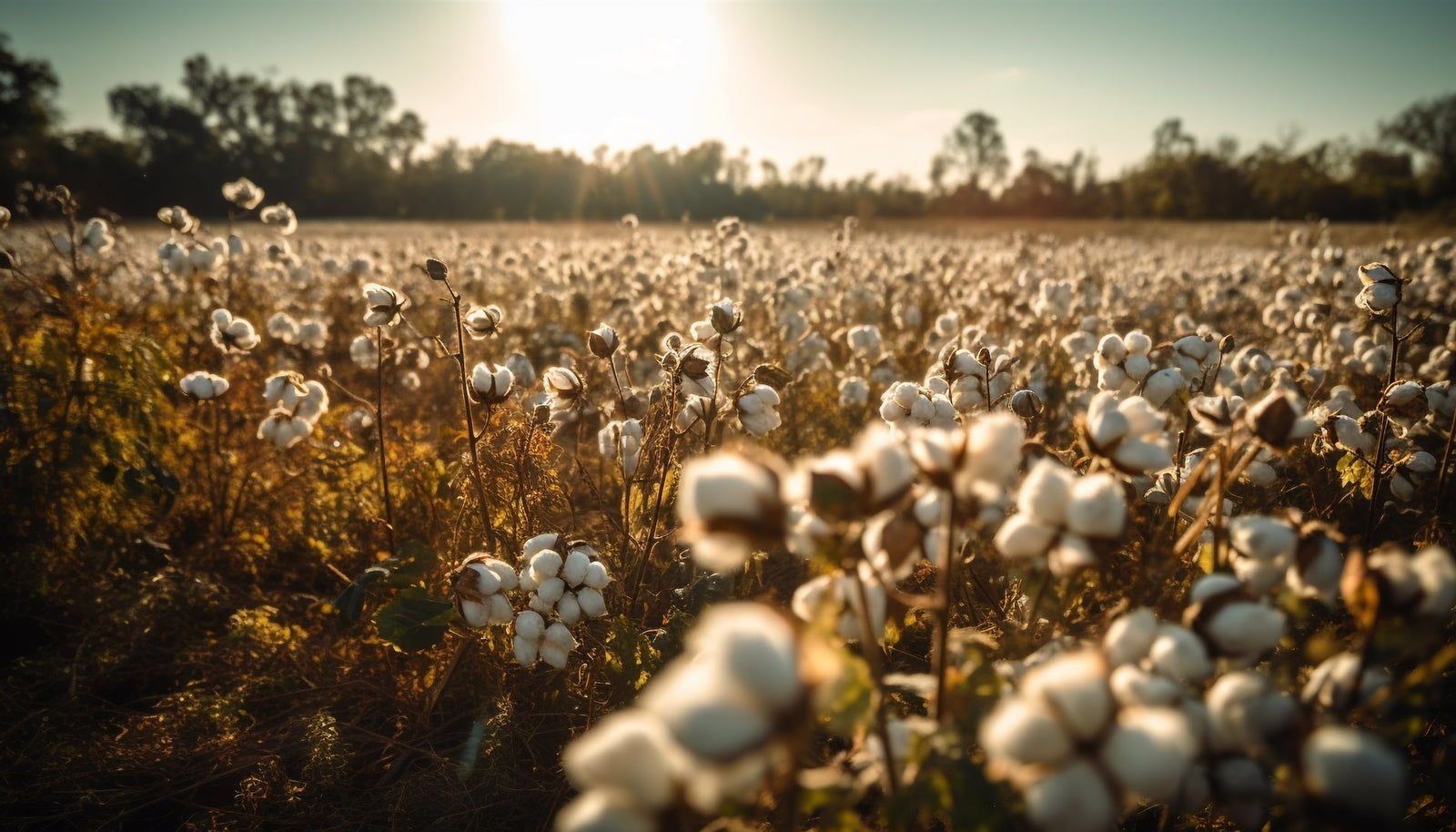
This material represents the most authentic essence of the circular economy: creating without destroying. It occupies the podium of our ranking because we firmly bet on its use to avoid waste. By choosing a thread that comes from recovering industry surpluses (pre-consumer), we promote a model that adds absolutely nothing else: zero water consumption in cultivation and zero chemical dyes in the process.
By not suffering the aggression of bleaches or dyes, the fiber preserves an integrity and a surprising natural softness. It keeps the cotton's breathability intact, offering ideal thermal comfort for daily use and respecting the foot's physiology without synthetic barriers.
It is our clearest statement of intent: we prioritize a fabric that does not hide its origin but celebrates it. We accept its small irregularities as part of its beauty, valuing the total absence of water and toxic footprint over industrial uniformity.
ORIGINAL PURITY
ORGANIC COTTON
When design requires maximum delicacy, virgin fiber becomes irreplaceable. But not at any price. Our only path is organic certification (GOTS), which ensures seeds free of GMOs and cultivation without toxic pesticides, protecting both soil biodiversity and the health of those who work it.
Its technical value lies in an exceptional touch: it offers superior softness and is naturally hypoallergenic, ideal for the most sensitive skin. It allows optimal breathability, avoiding irritations and guaranteeing natural thermal comfort that synthetic materials cannot replicate.
It occupies fourth place purely for transparency: although its impact is infinitely lower than conventional cotton, its cultivation demands water. It is the choice of conscious quality, a material that is born from the earth and has the ability to return to it without leaving a trace.
CHROMATIC PURPOSE
RECYCLED COTTON COLOR
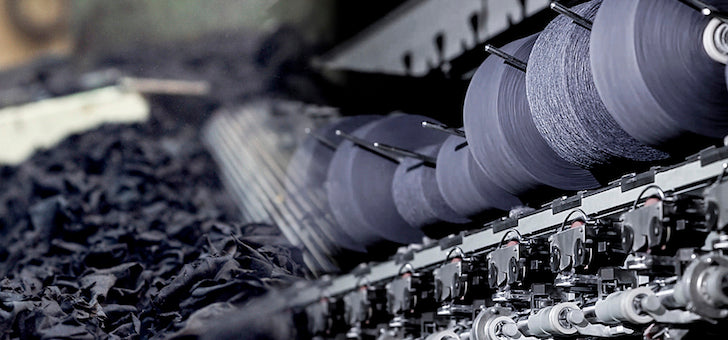
Color is vital for expression, but it usually has a high environmental cost. To mitigate this impact, we integrate fabrics that come from recycling into our collection. Encouraging the use of these materials helps rescue tons of sorted textiles, preventing them from ending up in landfills, freeing up fertile land for other purposes, and drastically reducing the need for virgin dyes and water.
To guarantee the resistance a shoe needs, this recycled cotton incorporates 50% recycled polyester, giving it superior durability against traction and friction. It maintains the warmth and gentle touch of cotton, but with a more tenacious structure prepared for the contemporary pace of life.
We place it in fifth place for radical honesty: although it avoids massive waste, this mixed composition implies a larger footprint than our raw materials. Furthermore, the presence of synthetic fiber forces us to warn about the possible release of microfibers, reminding us that every aesthetic choice carries a responsibility.

A LESSER EVIL
RECYCLED POLYESTER
Sometimes, creativity demands a specific canvas. We integrate recycled polyester with a very defined purpose: making our printed models possible. This material allows for fixing complex and vibrant designs permanently, without the intensive water consumption that printing on natural fibers would require.
The fabric we select is manufactured by processing post-consumer waste (PET bottles, fishing nets, or X-rays) to transform them into high-tenacity thread. As added value to its aesthetic function, this fiber provides extraordinary durability against friction and abrasion, extending the shoe's useful life and reducing the carbon footprint associated with extracting virgin oil.
It occupies the sixth place in our ranking purely for environmental coherence. Although its use gives an outlet to existing plastic waste, we do not forget that its origin remains synthetic. Its lack of biodegradability and the risk of releasing microplastics force us to use it responsibly, reserving it exclusively for those models where graphic expression is the protagonist.

AN ETHICAL DECISION
PLANT-BASED LEATHER
Being totally transparent, this material occupies the last place in our ranking. Compared to the purity of our natural fibers, its production carries a larger ecological footprint. However, for us, it is indisputably the best ethical alternative to animal leather that exists today.
Our choice is Lignin, a natural polymer that forms plant cell walls and strengthens wood. We obtain it by rescuing discarded by-products from the paper industry, giving value to a plant resource that would otherwise be treated as massive waste.
By transforming this raw material (through processes free of harmful solvents), we achieve a material that respects sentient life and takes advantage of what already exists. Although its mixed nature and industrial processing distance it from the sustainable perfection of a virgin fiber, it is our firm bet to offer a timeless aesthetic without cruelty.
THE INFINITE MATERIAL
TPU RECYCLED
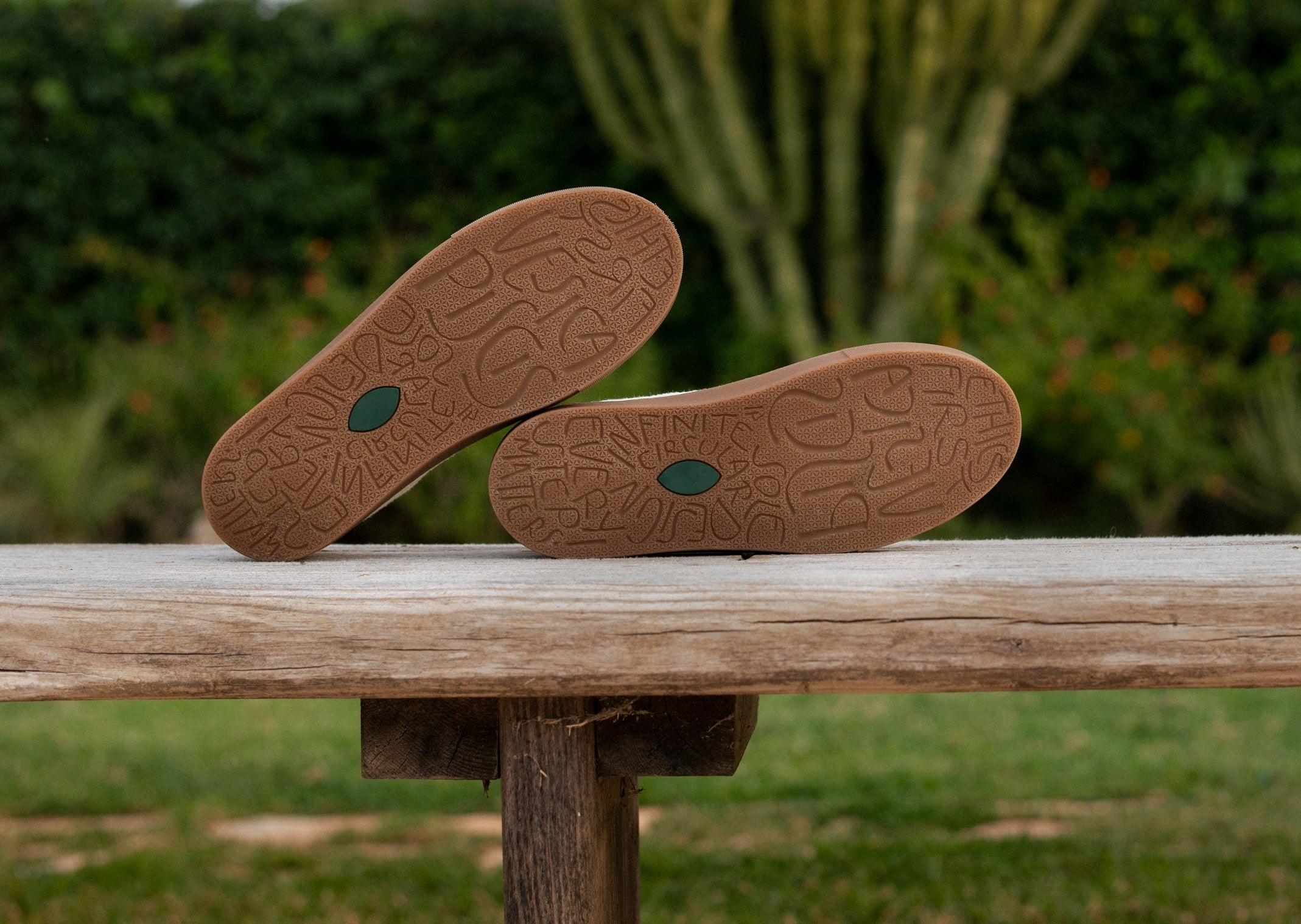
TPU (Thermoplastic Polyurethane) is a melt-processable thermoplastic elastomer with excellent flexibility, durability and abrasion resistance.
It is an ideal material to give it circularity for life, thanks to the fact that it meets the two essential requirements such as durability and its ease of recycling, which led us to create INFINITE SOLE, a new concept of reusable and 100% recyclable sole.
Due to their easy recyclability, a large part of our soles are made with recycled TPU certified GRS (Global RecycledStandard), managing to promote circularity in soles with great performance in addition to minimizing the environmental impact as much as possible, reducing the carbon footprint to a minimum.
THE WHITE VEGETABLE GOLD
NATURAL RUBBER
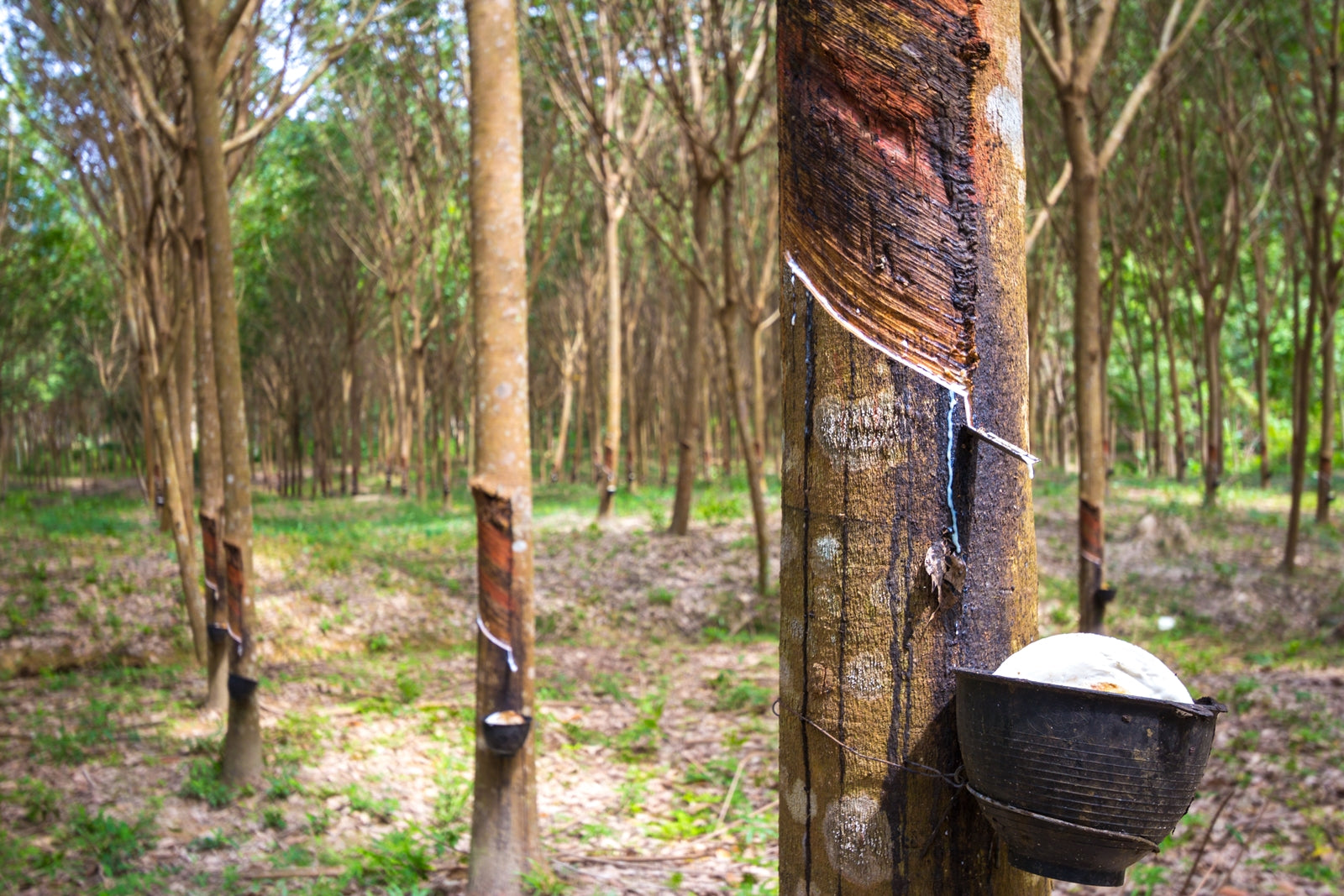
Natural rubber (NR), is a polymer which appears as a milky emulsion (latex) in the sap of several plants, Hevea brasiliensis - a tree found in Amazon regions, being one of the main sources of its extraction.
Once collected, the liquid collected (latex) is used, among other things, to produce sheets of different thicknesses, known as crepe, a material which is used to prefabricate all of the soles on the different models in our range.
Among the many virtues that can be attributed to natural rubber, its high level of elasticity and optimum resistance to abrasion must be pointed out.
Another reason why we choose natural rubber to make some of its soles is its easy recyclability, reusing 100% of the material already used to manufacture new items.
THE VERSATILE CRUST
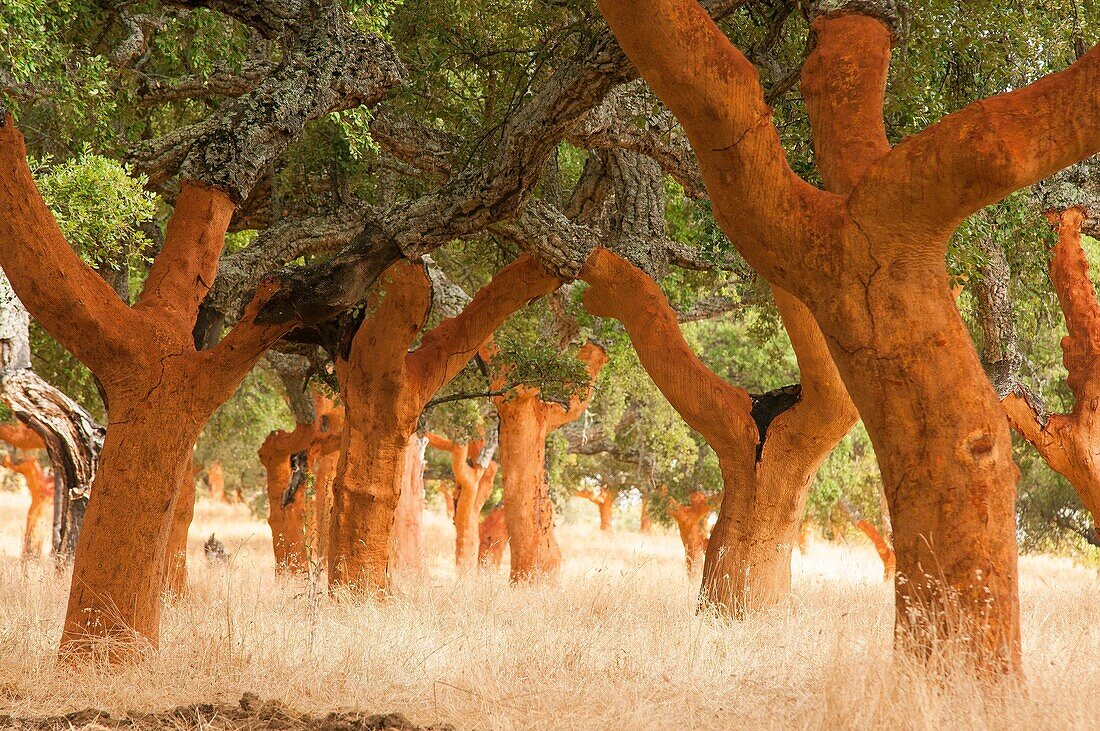
NATURAL CORK
Cork is the bark of the cork oak (Quercus suber) that protects it against the extreme conditions of the Mediterranean climate, such as drought, high summer temperatures and fires. It is made up of dead cells whose interior is filled with a gas similar to cork. air. This gas constitutes almost 90% of the cork, hence its very light weight and compressibility. The walls of these cells, which are like tiny watertight compartments, are fundamentally made up of suberin and cerine, substances that make it quite fireproof, very flexible and practically rot-proof.
Cork is, therefore, an extraordinary material, with unique properties. It is a completely natural, renewable and biodegradable product. Its production does not produce any pollution or damage to the ecosystem from which it is extracted, since it is obtained by barking the cork oak, without cutting any tree and this "harvest" is carried out every 9 to 12 years.
We use this wonderful antibacterial material in all the thermoformed insoles of our shoes and to mix it with natural rubber for the insoles of the sandals.
THE MAGIC GRASS
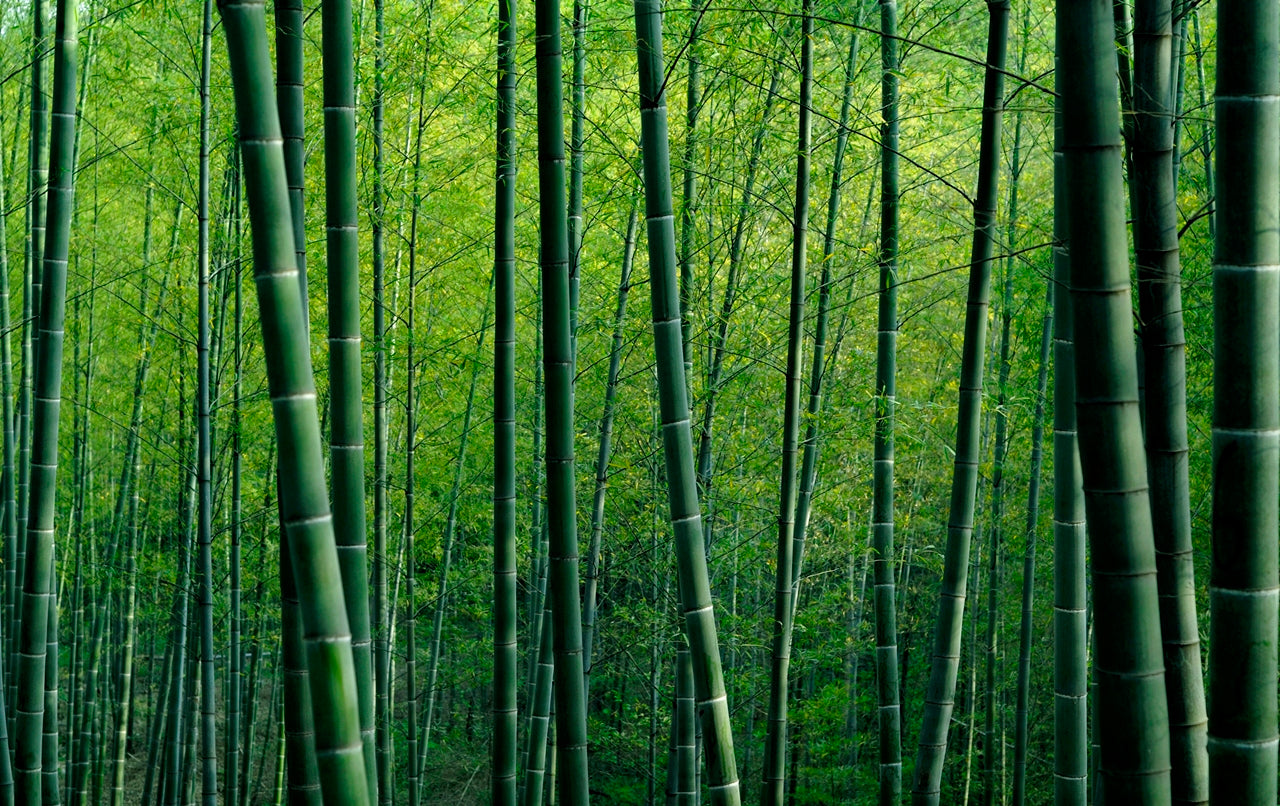
NATURAL BAMBOO
Bamboo is a fast-growing grass, it produces more oxygen and captures more CO2 than any other plant or tree, and no pesticides or herbicides are necessary for its cultivation.
Many varieties are less than 1 m long and have stems (culms) half a centimeter in diameter, although there are also giant bamboos: about 25 m high and 30 cm in diameter.
There are herbaceous and woody ones, grassy ones and more expansive ones, and there are climbing ones. Once cut, the grass sprouts again on its own without the need to replant it, also avoiding desertification, since its roots prevent the rains from washing away the soil. An FSC certified magic herb with which we make our buckles for all our belts.