Stop Shark Finning

Stop Shark Finning

CORETTA SAVE SHARKS 

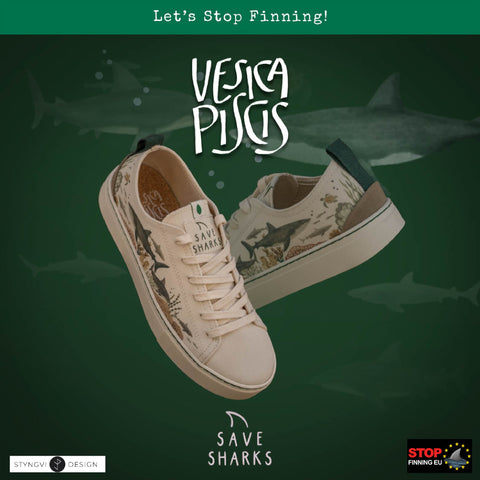
A few months ago we discovered the illustrator Styngvi and from the first moment we were clear that we wanted his art embodied in our shoes. We started working and he introduced us to the STOP FINNING EU initiative, we immediately knew that something had to be done…

As a result,  CORETTA SAVE SHARKS, a circular shoe model, illustrated by Styngvi and with which to give visibility and financial support to the Stop Finning Eu campaign to end the situation that sharks and the oceans are experiencing.

This exclusive sneaker is manufactured, like all our products, by hand and to order in our workshop in Elche (Spain) with a 100% cotton and recycled polyester fabric, it will also have our new personalized sole made of ECO TPU, an innovative, more resistant material. and recyclable.

Was on presale for €75, raising €11.25 per pair sold to Stop Finning Europe (15% of RRP). From March 2022 the price is €89 (7,50%, raising €6,68 per pair).

Do you need some sneakers and do you like the design? Let's gets yours and help the sharks and the oceans! 


CORETTA WHITE OUTSOLE // CORETTA CARAMEL OUTSOLE 


Why we joined stop finning eu?

Did you know that hundreds of sharks die every minute in the shark fin soup business? To put you in context, this gastronomic dish dates back to the 16th century during the Ming dynasty and was considered a "delicacy" among the emperors and the nobility. Over time it also became a "star" dish in popular celebrations such as weddings and christenings of the population in China.

You may not know how shark hunting is done to make this dish. It is not just hunting or fishing… it is human barbarism. The shark is captured through the practice of finning, which consists of amputating the fin and returning it back to the sea alive, where it suffers until it dies drowned, eaten alive or bled.

The greatest demand comes from Asia and the main consumer is China, but more than 150 countries participate in this atrocious business. It should be noted that the European Union, and especially Spain, are among those that profit the most.

Since 2013 the regulation “Fins Naturally Attached” has been in place, but few countries have approved it for the most part. This regulation prohibits the storage, transshipment and landing of the fins, these must remain attached to the rest of the animal's body when it arrives at port. In this way the fins can be separated from the animal and exported.

However, there are many countries that continue to allow the practice of finning, the origin of the fin is unknown, which makes its commercialization legal.

Any support you give will help improve the lives of all the animals in the world. The sharks need you, enter the link and SIGN the petition.

We have already done it, and you?


Image with text

Origen intacto

El cáñamo en su estado crudo. La fibra en su tono original, tal como se obtiene.

El cáñamo, antes de cualquier intervención, tiene un color propio. Un tono crudo, arenoso, que es el de la planta. Esta es la fibra en ese estado — sin pasos adicionales.

Sin añadir

Ofrecer el material en su estado natural no significa rechazar el color. Es respetar el material tal como es.

Teñir o blanquear aporta una estética concreta. Aquí optamos por no hacerlo. Cada paso que se omite es agua que no se gasta, energía que no se consume.

No añadimos nada porque el material ya tiene todo lo que necesita.

El cáñamo permite hacer menos.

Lo que permanece

Es un tejido resistente que se adapta con el uso. Su trama abierta permite que el aire circule y su estructura dificulta la proliferación de bacterias, ayudando a mantener el calzado en mejores condiciones durante más tiempo.

Al final de su vida útil, al no incorporar tintes ni acabados adicionales, permite cerrar el ciclo con un impacto menor.

Lituania

La fibra proviene de productores europeos que controlan el proceso completo —desde la semilla hasta el hilo— en trato directo con cada agricultor.

Trazabilidad real.

El cultivo se nutre principalmente de lluvia natural y contribuye a regenerar el suelo. El aprovechamiento de la planta es casi total: la cañamiza se destina a biomasa o usos agrícolas. Todo el proceso en la fábrica se alimenta con electricidad 100% renovable. La fibra cuenta con certificación OEKO-TEX Standard 100.

Una forma de fabricar

El cáñamo en su estado crudo no es la propuesta de una sola temporada. Es el punto de partida de una familia de productos.

Cada uno bajo el mismo criterio: intervenir solo lo necesario.

Nada más.

Origen intacto

El cáñamo en su estado crudo. La fibra en su tono original, tal como se obtiene.

El cáñamo, antes de cualquier intervención, tiene un color propio. Un tono crudo, arenoso, que es el de la planta. Esta es la fibra en ese estado — sin pasos adicionales.

Sin añadir

Ofrecer el material en su estado natural no significa rechazar el color. Es respetar el material tal como es.

Teñir o blanquear aporta una estética concreta. Aquí optamos por no hacerlo. Cada paso que se omite es agua que no se gasta, energía que no se consume.

No añadimos nada porque el material ya tiene todo lo que necesita.

El cáñamo permite hacer menos.

Lo que permanece

Es un tejido resistente que se adapta con el uso. Su trama abierta permite que el aire circule y su estructura dificulta la proliferación de bacterias, ayudando a mantener el calzado en mejores condiciones durante más tiempo.

Al final de su vida útil, al no incorporar tintes ni acabados adicionales, permite cerrar el ciclo con un impacto menor.

Lituania

La fibra proviene de productores europeos que controlan el proceso completo —desde la semilla hasta el hilo— en trato directo con cada agricultor.

Trazabilidad real.

El cultivo se nutre principalmente de lluvia natural y contribuye a regenerar el suelo. El aprovechamiento de la planta es casi total: la cañamiza se destina a biomasa o usos agrícolas. Todo el proceso en la fábrica se alimenta con electricidad 100% renovable. La fibra cuenta con certificación OEKO-TEX Standard 100.

Una forma de fabricar

El cáñamo en su estado crudo no es la propuesta de una sola temporada. Es el punto de partida de una familia de productos.

Cada uno bajo el mismo criterio: intervenir solo lo necesario.

Nada más.

Cart